
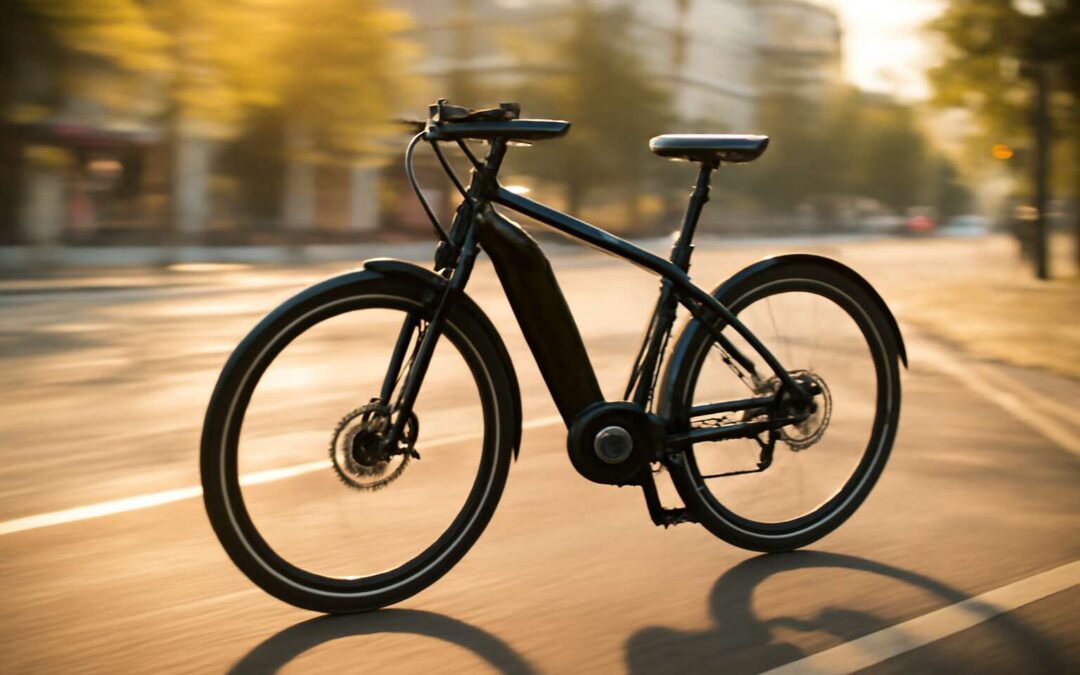
Understanding the 600W Electric Bicycle Landscape
What does 600W mean for performance and legality
Power up, and the city moves! I watch riders feel the difference on climbs. The electric bicycle landscape is shifting as riders seek torque, reliability, and range. A 600W system delivers stronger hill climbs and snappy acceleration, turning steep streets into smooth stretches. Yet legality still shapes choice: in South Africa, street-legal pedal-assist bikes have commonly been capped at 250W. A 600W setup typically falls outside standard road rules and may require registration or be restricted to private property or off-road use.
- Performance: torque, acceleration, and hill-climb capability
- Legal status: classification and where you can ride it on public roads
- Practical considerations: battery size, weight, and maintenance
Dealers often brand the power as electric bicycle 600w, signaling capability more than compliance. For South African riders, the distinction matters, as road use hinges on local rules and practical riding realities.
600W vs 250W and 500W: a quick comparison
Powered by the electric bicycle 600w, SA’s steep streets suddenly seem conquerable. The landscape shifts as riders chase torque, reliability, and range, not just bragging rights. On the road, 250W remains the common standard while 500W hovers in a regulatory gray area. A 600W setup signals intent—more pull on the climbs and quicker bursts of acceleration—yet the pavement still decides who gets to join the main lane.
- 600W vs 250W: stronger hill climbs and more immediate torque for snappy responses.
- 600W vs 500W: smoother power delivery and often a higher price tag, with more vigorous heat management.
- Practical note: battery size and weight matter; the rating isn’t the whole story.
In South Africa, branding often outpaces compliance, so riders navigate a patchwork of rules and practical riding realities.
Common 600W bike configurations (hub vs mid-drive)
Across South Africa’s urban sprawl, the electric bicycle 600w is rewriting the script of ascent. A noticeable uptick—roughly a quarter more riders tackling hills daily—has become the new normal. Mountains dissolve into memory as commuters fall in love with controlled torque and confident cadence.
Understanding the landscape reveals two common configurations: hub-drive and mid-drive.
- Hub-drive: affordable, simple, and reliable—but torque is most potent on flats; hill climbs suffer a bit.
- Mid-drive: taps crank rotation for greater hill-climbing prowess and natural gearing, at the cost of higher price and maintenance.
I’ve watched riders measure pitch with a grin, and I hear the roads whisper back. In SA, heat, weight, and battery chemistry weave the real story beyond watts—the ride remains a poetry of power, where motive force meets practice!
Torque, speed, and efficiency explained
Across South Africa’s urban sprawl, a quiet uprising reshapes the morning rhythm: roughly a quarter more riders tackle hills daily. The electric bicycle 600w is no longer a novelty but a steadfast companion on every incline. Torque becomes a patient drumbeat; speed keeps cadence steady on the flats.
- Torque as hill traction and rider confidence
- Cadence and gearing shaping rhythm
- Efficiency—heat, weight, and battery limits under pressure
Torque, speed, and efficiency fuse into a single arc. In SA’s heat, weight, and chemistry, the motor’s temperament reveals a poetry of power—where controlled cadence meets practical road sense and the landscape yields to deliberate propulsion.
Key terms to know when shopping a 600W e-bike
Across South Africa’s urban sprawl, a compelling stat changes the buying mood: roughly a quarter more riders tackle hills daily. The electric bicycle 600w is no longer a curiosity but a steady companion on every incline. When you shop, consider how power translates to climbs, how far you can go between charges, and how the bike feels under load.
- Watt-hours (Wh) reveal battery capacity and real-world range
- Voltage (V) and current (A) shape immediate power delivery
- Controller type and pedal-assist modes affect smoothness
- Real-world factors like load and terrain influence performance
Understanding these terms helps buyers compare options without the fluff, ensuring the category fits your daily route with confidence.
Choosing a 600W Electric Bicycle: Specs That Matter
Motor type and placement
Across SA cities, riders report shaving 12 minutes off commutes with the right motor setup. From my vantage, choosing a 600W arrangement isn’t just a spec play—it’s a statement about how you want to ride, how you want to feel the road beneath you. For an electric bicycle 600w, motor type and placement shape your climb, your cadence, and your balance as traffic hums and hills loom.
Understanding where the motor sits—front, rear, or central—tells you how heat, weight, and traction behave on South African surfaces.
Consider these specs:
- Weight distribution and balance
- Heat management during climbs
- Gear compatibility and maintenance needs
- Battery integration and overall footprint
This is not about chasing speed, but about choosing a companion for your street hours, rooted in reliability and personal rhythm.
Battery capacity and real-world range
Across SA streets, the difference is miles—real-world miles, not just watts. A 600W setup isn’t only about speed; it’s about whether the battery keeps pace with your days. In South Africa’s cities and climbs, capacity translates to range, comfort on a long commute, and the confidence to head out without checking the gauge. An electric bicycle 600w becomes a true companion when routes and energy align!
Battery specs shape your miles. Consider these range drivers:
- Battery capacity (Ah) and how it scales real-world range on your usual routes
- Nominal voltage and cell chemistry that influence longevity and peak power
- Weight and thermal behavior, especially on SA hills and hot days
- Charging rate and cycle life, which map to how often you’ll plug in
Ultimately, the fit between pack size and daily tempo defines the ride’s feel. The right battery makes the road lighter and your timetable more forgiving.
Controller, pedal-assist sensors, and user interface
Choosing the right specs for an electric bicycle 600w isn’t just about top speed. The controller’s capacity, voltage, and how it handles surge power shape real-world feel on SA hills and busy urban streets. Pedal-assist sensors decide how smooth the ride is—torque sensors respond to effort in your legs, cadence sensors keep a steady glide—and the user interface translates all that into readable, reassuring data.
- Controller current rating (amps) and peak power to handle hill climbs without heat fade
- Voltage and motor phase wiring for reliable performance in SA heat
- Pedal-assist sensor type: torque vs cadence and how it matches riding style
- Display and app interface: readability, data, and update potential
When the controller, sensors, and display are aligned, the electric bicycle 600w becomes a steady companion for SA commutes and climbs, quietly proving that capability lives in the detail.
Brake system, tires, and weight rating
Cities in South Africa keep getting steeper, and a well-chosen 600W setup changes the game. A reliable brake system, rugged tires, and a realistic weight rating keep climbs predictable and brakes confident in traffic. For an electric bicycle 600w, those specs translate to real-world control on every hill and bend.
- Brake system: hydraulic discs or solid mechanical brakes, with rotor size and cooling to prevent fade on long climbs in SA heat
- Tires: wide, grippy tires with good puncture resistance and appropriate tread for urban roads and light off-road sections
- Weight rating: rider plus cargo capacity, frame strength, and how luggage affects handling on varied South African terrain
When these elements align, the ride stays steady—quietly proving that the difference is in the build, not just the wattage.
Frame geometry and rider fit for 600W setups
Riding the electric bicycle 600w isn’t only about power; it’s about how the frame speaks to your body. In South Africa’s hilly city streets, I notice frame geometry and rider fit determine how far you ride before fatigue, how clean your cadence stays, and how quietly the hills surrender. The right geometry translates watts into confident traction and effortless climbs, turning grade into glide!
Frame geometry and rider fit hinge on a few essentials—reach, height, and balance—more telling than any gadget. Consider these factors for 600W setups:
- Top-tube reach for comfortable handlebars and knee clearance
- Saddle height and angle for efficient power transfer
- Stem length and cockpit width for a stable, upright posture
- Wheelbase and frame stiffness for stability on uneven SA roads
Performance and Range: Getting the Most from a 600W Setup
Real-world range on hills and headwinds
Power is the quiet edge between effort and escape. Cities in South Africa push cyclists to the limit, and the true test comes on hills and into stubborn headwinds. An electric bicycle 600w doesn’t erase gravity, but it redefines what’s possible by lending steady, reliable assist when the road climbs. The result is a real-world range that shifts with terrain, load, and weather, not a fixed number stamped on a brochure.
On inclines, the 600W boost helps keep cadence high without sprinting beyond comfort. Real-world range on hills and headwinds tends to shrink more slowly than expected when the bike carries a typical rider plus gear. The experience becomes a dialogue with the road, where energy is allocated to climb, momentum, and control. That orchestration defines the essence of the electric bicycle 600w.
- Terrain grade and grip
- Rider and cargo weight
- Wind resistance
- Battery condition
Impact of rider weight and assist level on performance
On a brutal South African climb, a steady 600W bite redefines gravity. With an electric bicycle 600w, cadence stays near the sweet spot as grades tighten, and the rider feels more partner than burden. The numbers aren’t a brochure figure but a living range that shifts with wind and sun. The machine doesn’t erase the hill; it choreographs motion into momentum and endurance!
Weight and assist level shape performance. A heavier rider—plus cargo—drains the electric bicycle 600w’s punch and grows wind drag, while a lighter rider keeps energy more easily in reserve. Higher assist offers quick torque; gentler settings mind cadence on long climbs. The craft lies in reading the ascent as a dialogue with the motor—part lift, part gravity, all balance.
Tips to maximize efficiency and battery life
Power meets pavement in South Africa’s climbs, where riders report up to 20% less fatigue on steep grades thanks to an electric bicycle 600w!
Performance and range emerge from a quiet dialogue between motor and rider. I ride these hills in steady wind and long ascent, where efficiency remembers endurance, and the cycle becomes momentum rather than burden.
- Terrain dynamics shape energy use across hills, flats, and surface
- Cadence and torque delivery influence real-world range
- Battery health and state of charge tether miles to memory
This is where the art of riding meets engineering, and the ascent becomes a conversation with the motor. Momentum, balance, and breath ride in harmony!
Thermal management and heat during long rides
Power meets pavement on a South African climb, and the electric bicycle 600w hums a better side of uphill. Performance and range emerge from a quiet dialogue between motor and rider, where steady cadence and measured torque turn steep grades into a conversation you actually enjoy.
On long ascents, heat is the uninvited guest. Thermal management shapes how far you can ride before the battery’s patience wears thin. The dance between heat buildup, airflow, and the bike’s geometry keeps momentum alive without melting the moment.
With the right rhythm, the setup becomes more than hardware; it’s momentum in balance with breath and road texture across SA’s varied terrain.
Charging strategies and battery maintenance for longevity
On the long, sun-scorched climbs of SA, the electric bicycle 600w keeps a patient, almost haunted tempo. Performance and range whisper a pact between motor and rider, turning steep grades into a dialogue where cadence and torque converse with the road.
Charging strategies and battery maintenance for longevity emerge as a ritual—cool air, mindful depth of charge, and thoughtful storage that respects the chemistry within. When the battery breathes in balance, miles stretch further and the ride feels less like effort and more like weather.
The bond between rider and bike tightens; momentum grows from quiet discipline rather than raw force, and the hill yields a secret: endurance is a relationship, not a conquest. South Africa’s roads test, and the journey answers in a steady, patient hum.
Maintenance, Safety, and Regulations for 600W E-Bikes
Regular maintenance checklist for 600W bikes
Across South Africa’s busy streets and rolling coastal roads, the electric bicycle 600w earns its keep with quiet reliability and a dash of swagger. It isn’t glamorous, but it’s dependable—the kind of daily companion that forgives a lazy morning and rewards a conscientious rider.
- Brakes and cables: performance and wear
- Tires and rims: tread health, proper seating, and inflation
- Drive train: cleanliness and lubrication
- Battery health: state of charge, charging routine, storage
- Electrical connections: plugs, contacts, and the controller
Safety and regulations require mindful riding and local discernment. Always wear a helmet, use lights, and obey road rules. Regulations for e-bikes vary by province and by the class of motor assist, so verify whether a 600W setup qualifies for bike lanes, speed limits, or licensing with your local authority.
Safety gear and riding practices for electric bikes
In the hush between dawn and traffic, the electric bicycle 600w wears endurance like a cloak. Maintenance becomes a nightly ritual: quick checks of brakes and tires, a glance for loose cables, and mindful care of the battery’s charge as the city yawns awake. This quiet routine is the difference between a ride that glides through shadows and one that stutters at the curb, waiting for a rider’s resolve.
Safety gear and riding practices are the armor against the unpredictable theatre of South Africa’s streets. A helmet, lights, and reflective gear are non-negotiable; keep a steady cadence, signal your turns, and give pedestrians wide birth at blind corners. In low light, visibility is your lifeline; in wind or rain, soften the stance and adjust speed to the road’s mood.
- Helmet with certified safety rating
- Front and rear lights, reflective clothing
- Gloves and sturdy footwear for grip
Regulations hover like a cautious guardian. In South Africa, rules shift with the province and the class of assist; verify whether a 600w setup may use bike lanes, or if licensing and insurance apply. Respect speed caps and local signage, and keep documentation handy when asked—the road is a cathedral, and you are the pilgrim.
Legal classifications, road rules, and where 600W bikes are street-legal
Maintenance for an electric bicycle 600w reads like a quiet ritual. Nightly checks keep the ride smooth: brakes and tires, cables snug, and the battery charged as the city yawns awake. Small daily habits prevent stutters at the curb and extend life.
Safety is the armor against the unpredictable theatre of South Africa’s streets. A helmet, lights, and reflective gear are essential; signal turns and yield to pedestrians at blind corners. In low light, visibility is life; adjust stance in wind and rain.
Regulations hover like a cautious guardian. In South Africa, rules shift with the province and the class of assist; verify whether this setup may use bike lanes, or if licensing and insurance apply. Respect speed caps and signage, and keep documentation handy when asked.
- Class of assist and road access
- Bike-lane eligibility
- Licensing and insurance requirements
- Registration where required
Warranty, service options, and finding a qualified mechanic
“Maintenance is the quiet engine of freedom,” a South African courier notes, and the electric bicycle 600w proves it: regular service guards warranty and keeps rides smooth.
For this machine, warranty work shines when serviced by approved centers. Choose options that fit your life:
- Authorized service centres
- Mobile mechanics
- Manufacturer-approved DIY checks
With routine checks on brakes, tires, and connectors, downtime stays minimal.
Safety is the shield in SA’s traffic theatre. Wear a helmet, lights, and reflective gear; ensure brakes and tires are top-notch. A qualified mechanic can verify battery connections and sensor alignment after every season’s ride.
Regulations drift by province and assist class; verify lane access, licensing, and insurance. A trusted workshop helps document compliance for your e-bike and keeps warranty intact while you ride legally.