
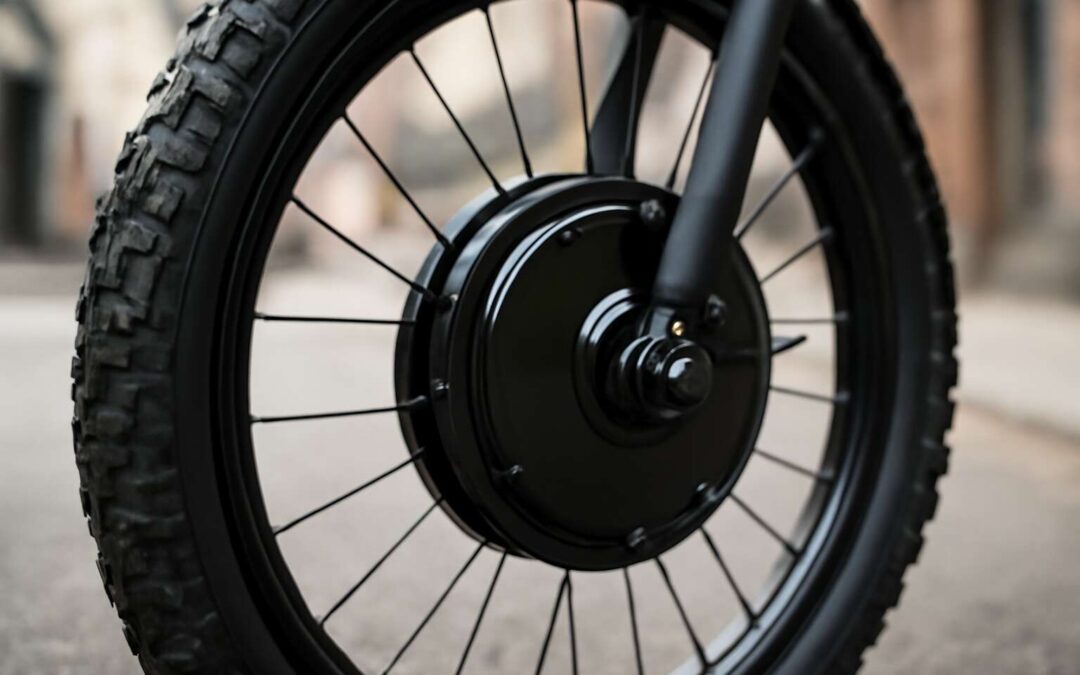
E-bike wheel types and configurations
Front wheel motors vs rear wheel motors
A striking stat from local planners: almost 40% of short urban trips in South Africa could be powered by an electric bicycle wheel instead of a petrol poke. It’s not sorcery—it’s smarter motor placement and a dash of clever engineering turning daily commutes into glide sessions!
Front-wheel motors spark quick takeoffs and nimble steering; rear-wheel motors offer steadier traction on hills and a more relaxed ride when loaded.
- Front-wheel motor: quick response, lighter weight.
- Rear-wheel motor: better grip and balanced handling.
Mid-drive options exist, but classic configurations still govern SA rides. Pick what fits your routes and wallet, not just the brochure.
Tubeless and tubed options
Choosing the right wheel for daily commutes hinges on the electric bicycle wheel you ride. Tubeless and tubed configurations each offer a distinct ride. Tubeless setups seal small punctures with sealant and invite lower tire pressures for plush city grip, while tubed systems keep costs predictable and are easier to service after a puncture.
- Tubeless: fewer flats, sealant seals punctures, lower pressures boost grip
- Tubed: lower upfront cost, simpler repairs where sealant isn’t ideal
- Rim compatibility: tubeless-ready rims vs standard rims influence setup choices
Bead design, rim durability, and puncture protection shape performance. Whether sprint or steady cruise, the wheel type subtly steers handling, weight, and rolling resistance. In South Africa, tubeless-ready rims are gaining traction for resilient urban riding, but tubed options remain sensible where service access is patchy.
Rim sizes and compatibility
Momentum is more than motion; it’s the tense dialogue between grip and glide in a city that never stops. The electric bicycle wheel determines how that dialogue ends—in soft city streets or roaring main roads—through rim compatibility that blends weight, handling, and resilience across South Africa’s routes.
- Rim diameters commonly found on e-bikes: 27.5″ (650B), 29″, and 700C.
- Bed types: tubeless-ready versus standard clincher rims affect sealing and inflation options.
- Inner widths: roughly 19–25 mm support wider tires for stability and grip.
These choices shape the electric bicycle wheel’s response on long commutes. Bead and rim geometry subtly steer feel: how the tire seats, resists pinch-flats, and manages heat under sustained climbs. For riders relying on local service networks, these choices translate into easier maintenance and dependable performance wherever a South African commute leads.
Low-profile vs high-profile rims
Rims aren’t just hardware; they set the tempo of your ride. Low-profile rims feel feather-light in acceleration and snappy through traffic, while high-profile rims promise wind resistance with a calm, steady charm. The electric bicycle wheel becomes a mirror of your daily route, answering hills and headwinds with a distinct personality across South Africa’s roads.
- Lightweight, responsive handling that smooths tight turns.
- Lower inertia for quicker acceleration and braking balance.
- Broad compatibility with tires designed for varied road conditions.
On rougher avenues and long stretches, the choice echoes through muscle memory and mood. I’ve learned that the wheel’s profile can shift how a commute feels—more glide, or more grip—without changing the frame’s energy. These quiet geometries carry you toward a city’s horizon with confident cadence!
Performance and safety considerations for e-bike wheels
Weight distribution and stability
South Africa’s urban e-bike boom isn’t just a trend; it’s a data-driven revolution, with urban ridership up 64% last year. The electric bicycle wheel stands at the heart of that movement, turning wattage into confident motion and a touch of wonder on every city block.
Performance and safety hinge on weight distribution and stability. A wheel’s mass—when balanced between hub and rim—shapes cornering grip and braking feel, while a stable rhythm keeps the ride predictable through traffic swerves and pothole patches!
- Center of gravity alignment
- Smooth torque transfer
- Tyre contact patch balance
These cues blend into daily rides, turning the wheel into a steady companion along SA’s diverse roads.
Braking impact on wheel selection
Urban SA riders are reshaping the city, and last year urban e-bike trips surged 64%. The electric bicycle wheel sits at the hinge of performance and safety, turning quick deceleration into confident control as traffic and potholes loom. Motor torque adds heat and stress during hard stops, so wheel choice must prioritise heat tolerance and rigidity. The result is a wheel that feels steady through SA’s varied streets!
Braking impact on wheel selection hinges on rotor compatibility, hub strength, and heat management. Disc brakes demand sturdy hubs and proper rotor mounting; rim brakes are rarer on e-bikes and can heat the rim, affecting grip. Weight and stiffness of the build, plus spoke pattern, determine how well the wheel handles repeated stops.
- Disc brake compatibility: rotor size & mounting
- Heat management: protect rim and tire
- Wheel construction: stiffness and spoke tension
Tire pressure and ride quality
Across SA’s city streets, urban e-bike trips surged 64% last year. The tire pressure on your electric bicycle wheel can tilt safety and comfort with every turn. A balanced setup helps you absorb potholes and keep confident control in busy traffic.
Tire pressure shapes grip, ride feel, and rolling resistance. Push it too high and the ride stiffens; too low and you lose traction and provoke instability on rough surfaces. Temperature swings and road texture matter as much as your weight when dialing pressure in.
- Contact patch and traction respond to weight and road texture.
- Rolling resistance and efficiency shift with tire width and inflation.
- Wheel stiffness and spoke tension translate pressure into stability at speed.
Get the balance right, and the electric bicycle wheel delivers steady feel from curb to curb across SA’s diverse streets.
Puncture resistance and wheel durability
Across SA’s city arteries, urban e-bike trips surged 64% last year, turning every kilometer into a test of resilience. The electric bicycle wheel must weather curb jabs, thorny tracks, and the occasional gravel patch without flinching, delivering steady grip and confident steering.
- Puncture resistance: multi-layer compounds, reinforced bead seating, and dependable rim tape guard against sharp debris.
- Wheel durability: sturdy rims, tuned spoke tension, and rugged hubs that absorb fast accelerations and heavy loads.
- Safety at speed: maintained stiffness and true alignment to preserve predictable handling when traffic tightens.
Choose the right build and the electric bicycle wheel becomes a trusted partner, translating power into quiet confidence as you navigate SA’s varied streets. Durability and performance align when engineering and rider expectations move in harmony.
Materials, build quality, and engineering of e-bike wheels
Rim materials and alloys
Every electric bicycle wheel is a stanza of motion, tuned to the rhythm of South African streets and open highways. The rim carries the weight of ambition, forged to endure heat, rain, and the occasional pothole. “The wheel is the poem of motion,” a veteran engineer notes, and I hear that cadence with every turn.
Rim materials and alloys dictate stiffness, weight, and resilience, and SA riders demand durability. Materials and engineering converge at the rim. Here are the common options that shape a reliable electric bicycle wheel:
- 6061-T6 aluminum offers balanced weight, stiffness, and cost.
- 7075-T6 aluminum provides higher strength and resilience.
- Carbon fiber rims reduce weight and improve response, with premium price.
Beyond material, the build quality—tolerances, spoke systems, and bearing seals—defines reliability. Advanced heat treatments, fatigue testing, and precision machining ensure the electric bicycle wheel stays true and confident on long South African commutes.
Hub design and bearings
“The wheel is the heartbeat of the ride,” a veteran engineer notes. The electric bicycle wheel that bears South Africa’s roads blends strength with grace: hub shells in sturdy aluminum alloys, with premium builds flirting with carbon fiber. Tight tolerances, heat cycling, and fatigue testing turn raw metal into a rotation you can trust on pothole-studded commutes.
“Hub design and bearings decide how friction vanishes at speed.” Balanced flange geometry, hollow axles, and precision machining keep lateral play small and rotation true. Sealed bearings and robust seals resist dust and water—essentials for SA riders.
Key hub-design features shaping durability:
- Sealed cartridge bearings for longevity
- Flange geometry tuned for even spoke tension
- Grease retention and axle-end seals for harsh conditions
This is how the electric bicycle wheel becomes a cadence underfoot, engineered for confidence mile after mile.
Sensor integration and smart wheels
Materials forge endurance and grace; aluminum rims married to carbon accents yield stiffness where it matters and lightness where it doesn’t. The process endures heat cycling and fatigue tests; on South Africa’s hot roads, the result is a luminous, dependable spin—the electric bicycle wheel that answers the road’s demand.
Build quality is a quiet architecting: tight tolerances, pristine finishes, and seals that shrug off dust and rain. Precision machining lines up spoke beds, rim profiles, and hub flanges so the wheel remains true after long commutes.
- Sealed cartridge bearings for longevity
- Grease retention and moisture seals
- Finishes that resist corrosion and UV exposure
Sensor integration and smart wheels fuse data with ride feel: discreet torque and speed sensors translate cadence into feedback, while Bluetooth and NFC-style connectivity keep dashboards in harmony with every climb and descent.
Wheel alignment and QC testing
“The road rewards precision,” claims a veteran wheel designer, and you’ll feel that creed with every roll. An electric bicycle wheel tuned for heat and speed never seems to demand more energy than you’re willing to give.
Materials fuse endurance with style: aluminum rims and carbon accents deliver stiffness where it matters and lightness where it doesn’t. In South Africa’s sun, heat cycling and fatigue tests prove the result—a dependable spin for long commutes.
Build quality is quiet architecture: tight tolerances, pristine finishes, and seals that shrug off dust and rain. Precision machining lines up spoke beds, rim profiles, and hub flanges so the electric bicycle wheel stays true. Wheel alignment and QC testing keep it reliable.
- Wheel alignment: true up and trueness checks to ensure lateral runout stays within spec
- Spoke-tension balance: uniform tension across all spokes to prevent fatigue
- Bearing preload and seal integrity: smooth rolling and moisture defense
Maintenance, installation, and upgrade paths for e-bike wheels
Installation tips for quick-release vs through-axle
On SA roads, riders who keep their electric bicycle wheel in check report up to 30% better range and reliability. Maintenance becomes a quiet discipline—an opportunity to note odd spins, verify tight fasteners, and sense wobble before trouble grows. The aim is confidence on every climb.
Installation matters as much as the ride itself. Quick-release systems reward speed; through-axle setups reward stiffness and precision. Clean mating surfaces, verify frame compatibility, and respect torque specs to preserve alignment and performance.
- For quick-release: align and seat the wheel, close the lever firmly, then spin to test for smooth rotation.
- For through-axle: drop in the axle, thread fully, and torque to the manufacturer’s spec.
- Check rotor alignment if applicable and ensure no lateral hub play.
- Recheck after a short ride and adjust as needed.
Upgrade paths for the electric bicycle wheel should suit frame geometry and riding ambition. Look for modular hubs, durable seals, and bearings designed for tough South Africa conditions—keeping the journey expressive rather than constrained.
Maintenance schedule and checks
Care for the rolling heart of your ride, and it returns your trust with quiet assurance. A well-tuned wheel translates effort into confident climbs, a rhythmic companion on long SA days and late-city commutes.
- Seal integrity and bearing action—subtle, steady, and always in mind.
- Spoke tension and rim true—keep a quiet heartbeat under the wheel.
- Wiring and sensors—watch for wear so the journey stays smooth.
Installation and ongoing care of the electric bicycle wheel become part of the rider’s ritual. Regular, observant attention preserves alignment, seals, and bearings, inviting a smoother glide and a longer life of power-assisted journeys.
Upgrade paths should suit frame geometry and riding ambition. Look to modular hubs, sealed bearings, and durable seals; ensure compatibility with your frame and the terrain you chase; these choices keep the journey expressive amid South Africa’s varied terrain.
Upgrading wheels for efficiency and durability
The wheel is the quiet engine of your ride. In SA’s mix of city streets and rugged trails, a well-tuned electric bicycle wheel translates effort into confident climbs and a smooth, predictable glide. Maintenance, installation, and upgrade paths turn wheel care into a simple ritual that protects life on the road and on the trail.
Regular checks matter—but so does how you install and upgrade. The aim is to keep balance and efficiency as you chase long SA days and late-city commutes. Keeping things clean, aligned, and ready to roll makes every pedal stroke feel intentional. The right electric bicycle wheel setup shines on both urban avenues and rougher tracks.
- Check frame clearance and axle type before any wheel updates.
- Choose bearings and seals that tolerate dust and heat, with easy serviceability.
- Match the upgrade to your typical routes, from smooth asphalt to rough gravel.
Compatibility checks with frames and brakes
The wheel is the heartbeat of the ride—a quiet engine that carries you across SA’s street mosaics and rugged byways. Maintaining an electric bicycle wheel that harmonizes with your frame and brakes turns upkeep into a mindful ritual, not a chore, and keeps life on the road predictable and serene.
- Frame clearance for your chosen tire width
- Axle type compatibility (through-axle vs quick-release)
- Brake system alignment (disc versus rim, rotor size, caliper mounting)
- Hub indexing and rotor spacing to prevent rub
When considering installation and upgrades, think balance first. Choose a setup that matches your typical routes—from smooth urban avenues to rough gravel—and preserve serviceability. With the right approach, the wheel becomes a companion that rolls effortlessly through long SA days and late-city commutes, a testament to quiet confidence and controlled power.
Trueing and spoke tension basics
The electric bicycle wheel isn’t just a cog in the machine; it’s the heartbeat of the ride, whisper-quiet as it carries you through SA’s city streets and rugged byways. Trueing and spoke tension basics turn maintenance into a mindful ritual, delivering steadier turns and longer wheel life.
- Lateral runout and wheel true as foundational concepts
- Even spoke tension to preserve roundness and durability
- Tensiometer-defined ranges aligned with rim and hub specs
- Rotor alignment and caliper clearance to prevent rub
Upgrade paths for this wheel focus on reliability and serviceability. Consider materials and nipple design suited to SA conditions, and preserve hub indexing during upgrades so the ride remains predictable after every gravel lane or urban dash.
Choosing the right e-bike wheel for riding style and budget
Assessing riding style (commuting, mountain, or cargo)
“A great wheel can cut your commute in half,” a SA rider quips. When choosing the right electric bicycle wheel, balance riding style and budget with the same care you give a reliable kettle. Start by noting daily routes—city hops, trails, or heavy loads.
- Commuter: focus on reliability and low rolling resistance
- Mountain: prioritize grip, stiffness, and durability
- Cargo: weight tolerance and stability
Budget-minded riders lean toward lighter builds with sturdy hubs; mountain fans want rugged rims and strong spokes. For the right pick, consider options for the electric bicycle wheel that align with commuting, mountain, or cargo needs and keep maintenance reasonable.
In the end, the best wheel fits your life—delivering efficiency, stability, and satisfaction for every kilometre logged on South Africa’s varied roads.
Budget tiers and value propositions
Across South Africa’s diverse roads, a well-chosen electric bicycle wheel can turn a routine commute into something smoother and quieter. The trick is matching riding style with budget—a wheel built for city reliability feels different from one tailored to rugged trails.
Budget tiers and value propositions vary. Entry-tier wheels offer durability at a friendly price; mid-range balances weight and efficiency; premium builds maximise stiffness and comfort for daily riders. The right pick fits commuting, mountain, or cargo needs while keeping maintenance reasonable.
- Entry: durable hub, simple spokes, broad compatibility
- Mid-range: lighter weight, better efficiency, versatile rims
- Premium: stiff rim, reinforced spokes, high-grade bearings
Each choice becomes a trusted companion on kilometres logged across South Africa’s roads, shaping more than speed—defining comfort and confidence.
Warranty and service considerations
In South Africa’s mixed roads, the right electric bicycle wheel can turn a daily ride into a smoother, quieter journey. A local rider survey shows up to 25% smoother commutes when you match riding style to wheel design.
Choosing the right wheel means balancing budget and performance. For city runs, aim for durability and broad compatibility in an entry-level wheel; for weekend trails, a lighter mid-range option boosts efficiency, while premium builds offer stiffness and comfort for daily use. The goal is reliable performance with modest upkeep. Every kilometre counts!
- Warranty duration and what it covers (bearings, rim, hub)
- Local service network and authorized repair centers in SA
- Spare parts availability and lead times
- Conditions for warranty claims (installation, proper maintenance)