
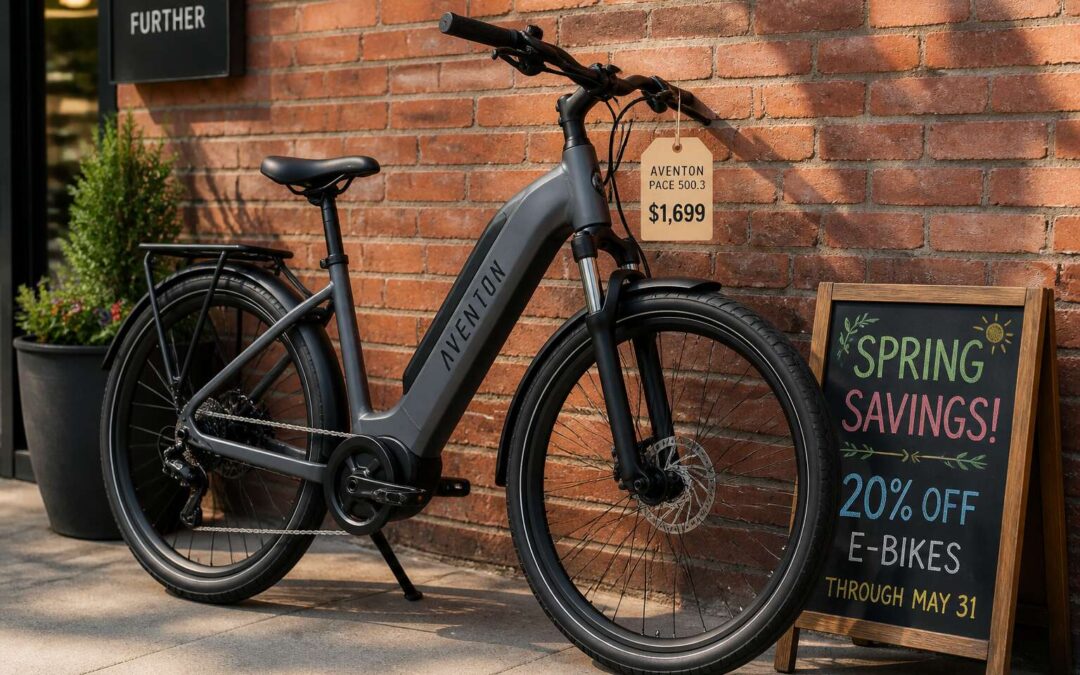
Factors Influencing Electric Bicycle Prices
Battery Technology and Capacity
The battery is the single most expensive component on any electric bicycle and price largely hinges on this hidden powerhouse. While a basic lead acid unit keeps costs down, we are seeing lithium ion dominate the market for a reason. These cells pack more energy, weigh less, and offer a longer lifespan of charge cycles. That performance upgrade, however, commands a premium.
Capacity, measured in amp hours (Ah), dictates your range. A higher Ah rating means you can travel further without pedaling. This directly inflates the sticker price. For South African commuters facing long distances, paying extra for capacity is often a practical necessity rather than a luxury.
– 10 Ah to 14 Ah: Entry level, best for short urban hops under 30 km.
– 15 Ah to 20 Ah: The sweet spot for mixed commuting and gentle hills.
– 21 Ah and above: High cost, but offers 80 km plus of uninterrupted power.
The price difference between a 10 Ah and a 20 Ah battery can be several thousand Rand. This creates a stark divide in the market, forcing buyers to evaluate how much autonomy they genuinely need before committing to a purchase.
Motor Power and Type
Electric bicycle and price share a direct correlation with motor type, a component often overlooked by first-time buyers. Hub motors, sealed within the wheel, offer a cost-effective entry point but struggle with weight distribution on uneven terrain. Mid-drive motors, positioned at the crankset, exploit the drivetrain’s gearing to multiply torque, making them indispensable for Johannesburg’s gradient-heavy suburbs.
Power output, expressed in watts, dictates real-world capability. The South African market sorts itself broadly:
- 250W: Legal for public roads without a licence, adequate for flat commutes.
- 500W: Balanced for mixed terrain, offering brisk acceleration.
- 750W and above: Reserved for off-road adventurers and heavy cargo loads.
This hierarchy widens the price gap. A modest hub motor can halve the cost compared to a premium mid-drive unit, but I have found the latter delivers a riding experience that justifies the investment.
Frame Material and Build Quality
The frame is where electric bicycle and price show their priorities. Aluminum dominates the mid-market, light enough to haul and stiff enough to transmit every tar strip. Steel offers a forgiving ride and a forgiving price. Carbon fiber saves grams and costs rands with equal intensity; a full carbon rig can double the total outlay without adding a single watt.
Build quality separates a commuter from a contraption. Examine weld seams, cable routing, and hinge mechanisms. A sloppy frame turns a 500W motor into a rattle that never quits, and repair bills follow fast. Ask any seasoned cyclist about a cracked dropout; they will have a story.
Your material choice dictates the final figure:
- Steel: bulletproof, heavy, cheapest
- Aluminum: best all-rounder for city riding
- Carbon: obsessive weight weenies, deep pockets
Electric bicycle and price become tangible when the frame resists twisting under throttle. That stiffness is control, not luxury, and it explains why two bikes with identical motors can sit four figures apart on the showroom floor.
Brand Reputation and Warranty
A warranty is a promise written in small print, and its value becomes starkly apparent when a controller fails on a Tuesday morning. Established brands have leveraged years of data to refine their motor and battery integrations, allowing them to offer extended coverage with confidence. Smaller importers, by contrast, often mirror the same specifications but undercut the price by shaving off the aftersales support. That creates a ledger where the replacement parts and labour costs eventually eclipse the initial savings.
The social contract here is simple: you pay for peace of mind, not just aluminium and copper wiring. A robust warranty often signals that the manufacturer has engineered the bike to withstand the potholes and dust of regular South African commuting. A two year guarantee on the motor and battery is a tangible asset, perhaps more valuable than an extra 100 watts of peak power. The dealer network also matters; a nearby shop that can diagnose a wiring fault saves you from shipping a 25 kg bike across the country.
Reputation is built on the stories of riders who never had to tell one. When you spend on a recognised name, you are purchasing the cumulative knowledge of thousands of units already in circulation. Electric bicycle and price calculations, therefore, extend beyond the showroom floor. They include the probability of a nuisance failure and the cost of downtime. A cheap bike that sits idle for a month waiting on a spare part is no longer a bargain; it is a sculpture.
The financial logic of committing to a reputable brand often hinges on these factors:
– A documented history of component reliability
– Readily available spare parts within the local market
– Clear claim processes that do not require an attorney
– A service network within a reasonable driving distance
As a result, the sticker price on a flagship model often absorbs the cost of this ecosystem. The frame may be identical to a direct import, but the engineering data, the heat treatment validation, and the software tuning are not. In a market flooded with lookalikes, the brand name is a proxy for tests you will never see. When a motor cuts out under load, the difference between a helpful phone call and an unanswered email is worth a significant portion of the purchase price. That is why the link between electric bicycle and price is so often defined by the logo on the downtube.
Additional Features and Components
Every time you see a sticker on a showroom e-bike, a portion of the rand pays for the features you touch, stare at, or curse when they fail. Suspension is a classic example. A coil fork absorbs the spine’s surprise on a Johannesburg gravel road, while an air fork with damping lets you pretend you are on the Sani Pass. Brakes follow suit. Hydraulic discs cost more than mechanical ones, but they also stop you before a minibus taxi claims your right of way.
The display is another line item. A basic LCD shows speed; a colour touchscreen with Bluetooth shows your heart rate, your route, and your terrible habit of skipping breakfast. Components quietly inflate the electric bicycle and price equation:
- Rear racks and integrated mudguards
- Lighting with brake sensors that stay on during load shedding
- Gates belt drives instead of oil hungry chains
- Puncture resistant tyres that laugh at broken glass
Each feature adds grams and cost. The result is a machine that suits your commute, not a catalogue. When you compare electric bicycle and price, remember that a bargain frame often hides cheap suspension bushes and a display that forgets your settings after every power cut.
Electric Bicycle Price Ranges Explained
Entry-Level E-Bikes Under $1,000
Most South African commuters assume a reasonable electric bicycle and price combination starts at R25,000 or more. That assumption fades once you look at entry level e-bikes under $1,000, roughly R18,000. This bracket gives daily riders a genuine entry point.
What does this money buy? Reliability over refinement. The parts are chosen for function, not flair. You ride with a simple display, a basic charger, and tyres that tolerate gravel patches and potholes. The ride quality is honest, which suits the reality of our roads.
- A rear hub motor rated between 250W and 350W
- A 36V battery with 8 to 10 amp hours
- Mechanical disc brakes paired with a single speed or five speed drivetrain
The strength of this segment is its efficiency. For a first purchase, the electric bicycle and price equation simplifies to a small upfront cost that lets you learn what you truly need. Most buyers stay here for years. Some upgrade later, but many never feel the need.
Mid-Range Electric Bicycles ($1,000 – $2,500)
The move from entry level to this bracket is a reckoning with your own intentions. You are no longer curious about cycling. You are declaring that it belongs in your life. The electric bicycle and price calculation here becomes personal, because you are buying for the rider you intend to become.
Most riders in this range have already lived with a cheaper model. In my experience, they know the limitations. They know the roads. They know what a daily commute actually demands. The upgrade is not about status. It is about reducing the daily effort.
What changes when you spend more is tangible!
- The machine starts reliably, every morning
- The drivetrain holds its adjustment for months
- The ride stays composed on rough shoulders
Once you understand what reliability is worth, the electric bicycle and price question settles itself.
Premium and High-End Models (Over $2,500)
Only a small fraction of riders ever cross the $2,500 threshold, yet those who do often discover a machine that behaves less like hardware and more like an extension of intent. At this level, the electric bicycle and price relationship becomes about nuance. The motor does not merely assist; it responds with a quiet insistence that matches your cadence. The frame absorbs the harshness of our South African roads without complaint, turning a punishing commute into a private ritual of calm.
Here, the intrinsic qualities matter most:
– The geometry is tuned for endurance, not just speed
– The components are serviceable, not disposable
– The battery management system extends both range and lifespan
You are not paying for a name. You are paying for years of unbroken mornings. The electric bicycle and price equation, at last, becomes a simple one: what you spend is what you no longer have to fight.
Commuter vs. Mountain vs. Folding E-Bikes
In South Africa, the electric bicycle and price conversation usually starts with a pothole, not a spec sheet. I have seen commuters spend a fortune on suspension they never use. Commuter e-bikes lean toward affordability, with simpler drivetrains and smaller batteries. Mountain e-bikes demand beefier frames and hydraulic suspension, which inflates the cost. Folding e-bikes sit between, sacrificing off-road capability for storage convenience.
Expect to pay less for a commuter, more for a mountain, and something in the middle for a folder, but local import duties skew the numbers!
- Commuter: entry level around R15,000, workable up to R40,000
- Mountain: often R30,000 to R80,000, with suspension dominating
- Folding: R12,000 to R35,000, depending on hinge quality
The electric bicycle and price relationship becomes a trade-off between what you ride on and where you store it.
New vs. Used Market Price Differences
New e-bike prices in South Africa carry a steep first owner premium. The moment you roll out of the store, depreciation bites roughly 20% to 30%! That makes the used market tempting, but the electric bicycle and price equation shifts. A second hand battery may hold only 70% of its original range, and replacement cells cost between R4,000 and R9,000.
- New: full warranty, fresh battery, latest motor software
- Used: lower entry cost, but inspect for frame cracks and water damage
For a used folder under R15,000, budget for new brake pads. For a used mountain bike, suspension service adds R2,500. The electric bicycle and price difference narrows when you factor in these repairs, so asking about service history matters as much as the odometer.
The True Cost of Owning an Electric Bicycle
Upfront Purchase Price vs. Long-Term Savings
The true cost of owning an electric bicycle extends far beyond the initial sticker. With South African fuel prices climbing relentlessly, a R25,000 e-bike can seem intimidating. However, the electric bicycle and price relationship transforms when you examine monthly savings. A 20 kilometer daily commute by car burns roughly R1,200 in petrol. An e-bike, charged overnight, costs under R50 for the same distance. Over three years, that equates to over R40,000 in your pocket.
Hidden expenses shift the comparison further:
- Routine maintenance: e-bikes need less frequent servicing than cars
- Parking: free at most office complexes, no traffic fines
- Insurance: premiums stay dramatically lower
While the upfront purchase demands careful budgeting, long-term owners often find the electric bicycle and price tradeoff favours the ride. For daily urban commuters, this financial reality makes the decision clearer.
Maintenance and Replacement Parts
The initial purchase price of an electric bicycle often overshadows the equally significant cost of maintaining it over time. Many new owners focus on the electric bicycle and price tag at the dealership and overlook the components that will require attention after the first few thousand kilometres. These machines are not immune to wear, particularly in demanding urban environments where dust, rain, and stop-start traffic accelerate degradation.
Specific parts on the drivetrain, such as the chain and cassette, contend with higher torque loads than a standard bicycle. Consequently, they demand replacement more frequently. Brake pads on a motorised commuter also wear at a rapid clip, especially on the steep inclines found in cities like Cape Town or Durban. Owners should budget for these consumables annually, not just when a failure occurs. The financial outlay for these items, while modest compared to a car service, still contributes significantly to the overall electric bicycle and price equation that must be considered before you commit.
Beyond the consumables, the proprietary nature of certain components defines the true economic picture. A motor controller or a specific wiring harness is not a generic part you can source from any local bike shop. This reality creates a dependency on the original manufacturer’s supply chain. When you compare this to a traditional bicycle, where a standard derailleur can be swapped in minutes, the difference in convenience and cost is stark.
For a South African rider, the availability of spares locally becomes a decisive factor in the long-term calculation. Buying a cheaper import might lower the initial electric bicycle and price, but waiting six weeks for a replacement display unit or throttle assembly negates the savings. A robust warranty and the ready availability of routine service items offer the best protection against excessive downtime and repair expenses.
Insurance and Registration Fees
Fewer than 15% of South African e-bike owners insure their machines separately. A mid-range model often costs R40,000 or more, so this vulnerability deserves attention. Homeowners’ policies sometimes extend to e-bikes, but they rarely cover theft when the bike is parked on the street or at a train station.
Registration imposes fewer obligations. The Road Traffic Act classifies pedal-assist e-bikes as bicycles, meaning there is no licence disc or number plate. Yet sectional title schemes and gated estates in Gauteng and the Western Cape frequently demand their own permits. These fees are modest but recur every year.
What you can expect to pay:
- Estate or complex registration: R150 to R500 per annum
- E-bike specific insurance: 1% to 2% of the purchase price
- Tracking subscription: R100 to R250 monthly
These annual costs are part of the electric bicycle and price, often exceeding what buyers anticipate when they sign the invoice.
Charging Costs and Electricity Consumption
Most riders charge at home, and the numbers are more forgiving than the insurance line items. A typical 500Wh battery, fully depleted, draws roughly 0.6kWh from the wall. With South Africa’s average domestic tariff of about R2.50 per kWh, a full charge costs around R1.50, or roughly R15 per 100km ridden. That makes the cost per kilometre trivially small, especially when compared to petrol or even monthly parking fees.
The real variable is your meter type. Prepaid users on lifeline or block one tariffs pay less; those on postpaid with inclining block rates can pay double that figure during high consumption months. Charging efficiency also matters, as inverters and older chargers waste up to 15% of the electricity as heat. The electric bicycle and price calculation should factor in these small but recurring amounts, since they add up differently for every household.
| Charging scenario | Cost per full charge |
|—|—|
| 500Wh battery, prepaid tariff | R1.20 to R1.50 |
| 500Wh battery, postpaid inclining rate | R2.00 to R3.00 |
| 750Wh battery, any tariff | R1.80 to R4.50 |
None of these figures will break a budget, but they become relevant when comparing electric bicycle and price against public transport or a car over a three year ownership period.
Accessories and Upgrades to Budget For
Accessories and upgrades form the quiet ambush in the electric bicycle and price conversation. A dependable helmet, decent lights, and a lock that respects your neighbourhood are not optional luxuries. They are the difference between riding with composure and riding with anxiety.
The worthy additions, with South African retail realities, include:
- A torque arm or upgraded brake pads for heavier riders
- A rear rack and panniers for groceries
- A phone mount with vibration damping
Each item is modest on its own, yet they accumulate. The electric bicycle and price you saw on the showroom floor ignores these adjustments, and the polite thing is to budget a little more before you commit.
Strategies to Get the Best Electric Bicycle for Your Budget
How to Compare Prices Across Retailers
The electric bicycle and price relationship is rarely a straight line. I have watched the same model sit in a Johannesburg showroom with one figure, then reappear online with another. Timing and location twist the final number.
Seasonal stock changes create quiet opportunities. When new models arrive, older units remain unsold. Sellers become flexible.
Compare across retailers with a clear head:
– Request written quotes from at least three shops, including delivery and setup costs.
– Confirm whether the seller includes a free first service.
– Ask about battery warranty handling. A lower price loses value if the battery warranty is not transferable.
A single figure on a website never tells the full story. The true cost emerges in the details.
Timing Your Purchase: Seasonal Sales and Clearance
In retail, seasonality leaves its fingerprints on the electric bicycle and price. January in Johannesburg brings post-holiday clearances. May and June quiet the floors, and sellers become approachable. New model launches, usually around September, push previous versions onto clearance racks.
The timing cycle has a local rhythm:
- End-of-season markdowns at dealerships
- Overstock from last year’s models
- The gap between new arrivals and old inventory
Those windows are when the listed figure drops. A buyer who tracks the cycle, rather than the current price tag, sees a different market. The same bike that fetched a premium in October loses value by March. Waiting is a strategy, but it has a cost. If you need the machine now, the clearance price is a bonus, not a guarantee.
Taking Advantage of Government Rebates and Incentives
Timing alone is only half the puzzle. Even when the calendar aligns, the sticker remains a barrier. But a savvy shopper should look beyond the dealership floor, because financial relief often hides in government schemes. In South Africa, the eBike Incentive Scheme provides a notable rebate for qualifying electric bicycles, a gesture designed to nudge commuters away from petrol stations. However, claiming it requires documentation and a certified proof of purchase, so patience is a prerequisite.
The process itself can feel bureaucratic, yet the reduction on the final electric bicycle and price is significant. Several provinces have also piloted tax deductions for employers who subsidise staff bicycles.
A few steps to remember:
– Verify your bicycle meets the scheme’s specifications, usually a maximum motor power and speed.
– Keep every invoice and registration letter, as the rebate deadline is strict.
– Ask the retailer if they process the claim on your behalf, which many now do.
This subsidy changes the calculus entirely. A premium model becomes attainable, and the long-term savings on fuel begin to compound immediately.
Evaluating Financing Options and Payment Plans
Barely a third of South African e-bike buyers pay cash upfront. Financing fills that gap, and the electric bicycle and price becomes a monthly figure rather than a lump sum. I have seen how payment plans reshape budgets. The main routes are:
- Retail credit through the dealer, often with promotional rates.
- Hire purchase, where the store holds the title.
- A bank personal loan, which gives immediate ownership.
Interest at local stores runs from 12% to 18% per year, adding notable cost over 24 months. Some retailers push zero deposit deals, but those usually hide higher rates or admin fees. Comparing the effective annual interest rate matters more than the monthly instalment. Your credit score and employment stability determine eligibility, so a quick pre approval from your bank simplifies the process. What a difference proper calculation makes! A repayment term that outlasts the battery warranty creates a mismatch no one wants.
Considering Certified Pre-Owned and Demo Models
Dealer demo models offer a valuable opportunity for South African buyers. These bikes have endured test rides, not commutes, so mechanical wear is often minimal. A demo model can carry a 15% discount, shifting the electric bicycle and price into a lower segment while retaining a full factory warranty.
Certified pre-owned programs provide even more oversight. Dealers perform systematic checks on the motor, battery management system, and frame integrity, then issue a warranty of their own. That reduces the risk of buying used. Before committing, ask for:
- the battery’s charge cycle count
- the service history
- the original purchase date
Each detail protects your investment. A verified pre-owned e-bike turns a steep purchase into a measured decision.
Negotiating with Local Bike Shops
Local bike shops in South Africa are not museums. That gleaming electric bicycle and price tag on the wall is a conversation starter, not a verdict. Shop owners have margins to protect, but they also have rent to pay. A respectful negotiation can uncover savings that online retailers simply cannot offer.
Ask about floor models about to be rotated out. Ask about stock that has gathered dust for a few months. These bikes need to move, and the electric bicycle and price can become remarkably flexible when the shop wants space back.
- Request a free first service instead of a cash discount
- Ask if last year’s model is still in the warehouse
- Offer EFT payment to avoid card processing fees
Cash flow matters to small shops. A clean, quick sale often beats a slightly higher price paid in instalments.
Electric Bicycle Price vs. Value: Making a Smart Investment
Identifying Your Riding Needs and Priorities
The connection between electric bicycle and price in South Africa is not a fixed equation. A machine that delivers exceptional worth for one rider may feel like a burden for another. Your daily commute through Johannesburg traffic demands different engineering than a weekend escape along the Cape Peninsula. Before you compare price tags, define your own arithmetic. Consider distance, terrain, and how often you will charge.
- Distance you ride each day and the routes you take
- Your physical fitness and desired level of assistance
- Storage space at home or work, including stair access
Value emerges when the specification matches your reality. A smaller battery may serve a short commuter perfectly, lowering the overall electric bicycle and price equation. Understanding your priorities transforms a purchase into an investment. When you know what you genuinely require, you stop paying for features that sit idle.
Key Performance Metrics That Justify a Higher Price
South Africans often judge an electric bicycle and price tag with their wallets, not their thighs. Yet a low price can mean a motor controller that cuts out when you need power. Key performance metrics separate a bargain from a burden. Consider battery management sophistication, motor torque consistency, and suspension tuning. These features directly affect your commute’s reliability.
- Thermal throttling: budget motors lose power on warm days.
- Pedal assist latency: a lag of half a second disrupts your rhythm.
- Frame stiffness under load: affects steering at speed.
A higher price often buys these precise parts. You pay for the engineering that keeps you moving without surprise. That is the actual difference.
Warranty Coverage and After-Sales Support
In South Africa, the electric bicycle and price relationship often stops at the cash register. Yet the true cost emerges later. I have watched friends buy bargain e-bikes only to discover the supplier has closed their doors when the controller fails. A robust warranty and dedicated after-sales support reduce your risk.
- Check if the battery warranty covers capacity loss beyond 20%.
- Ask whether motor replacements include labour.
- Confirm the average turnaround time for spare parts.
That extra rand pays for a local technician who answers your call and a warehouse stocked with components. When you compare options, include this support. It alters the total cost.
Resale Value and Upgradability
The electric bicycle and price relationship is seldom static. An e-bike that retains its resale value becomes an asset, not an expense. In South Africa’s growing market, resale depends on brand recognition and battery health. A degraded battery drops resale faster than scuffed paint.
Upgradability matters equally. Modular components let you refresh the drivetrain or swap the battery without replacing the whole machine. That flexibility extends usefulness and makes the initial purchase feel smaller over time.
When estimating future value, consider:
- Battery condition at sale
- Local availability of spare parts
- Transferable service agreements
A considered purchase now protects your budget later.
Customer Reviews and Real-World Reliability
Customer reviews often unearth truths that spec sheets hide. I have seen riders praise a budget model for five trouble-free years, while a flagship name collects complaints about controller failures. That asymmetry matters when you weigh electric bicycle and price. Real-world reliability is the silent partner of any purchase decision.
Reviews from South African owners, especially those tackling gravel roads and load shedding, expose how components endure. Look for patterns. One-off grumbles differ from systemic flaws. Consider these signals:
- Repeated battery degradation reports
- Availability of local servicing
- Consistent motor noise after 1,000 km
When reviews align across independent platforms, they validate the asking price. A cheaper bike that holds up becomes the smarter investment. Conversely, a premium price tag loses its justification if reliability falters. Trust the collective experience, not marketing gloss!