
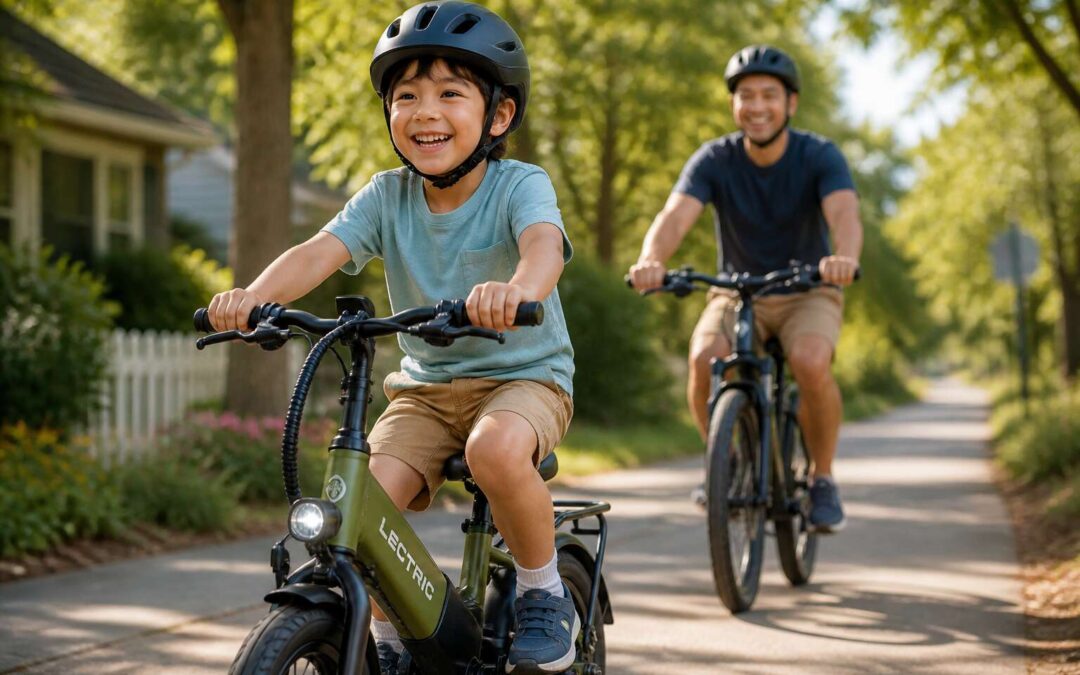
Understanding the Appeal of Electric Bikes for Children
Why Kids Love the Extra Boost
The first time a child feels that surge of silent power, the world tilts on its axis. A hill that once meant grinding effort becomes a launching pad for pure joy. That extra boost transforms a simple ride into a small adventure, giving young riders a sense of mastery over their own terrain.
This is not merely about speed. The motor softens the sting of a long day and a tiring journey home. For a smaller rider, keeping pace with older siblings or parents is no longer a struggle, but a shared experience. When you search for a kids electric bicycle nearby, you are unlocking a new layer of independence for your child. They gain confidence with every rotation of the pedals. The wind in their hair replaces the strain in their legs. That is the true magic of the ride.
Physical and Developmental Benefits
Electric bikes for children engage the body and mind in subtle ways. Riding at low speeds requires precise balance and constant micro-adjustments of the handlebar. Judging gaps in traffic or on a trail sharpens spatial awareness. The motor’s assistance allows young riders to practice these skills without the fatigue barrier that stops shorter sessions.
Pedalling remains a core part of the experience. The resistance builds leg strength and aerobic capacity. The motor simply removes the harsh ceiling of exhaustion, so children can cover more ground and build endurance over time. This combination produces steady physical development.
Mental growth follows the same path.
- Choosing lines on gravel trains split-second judgement.
- Reading the terrain improves focus and anticipation.
- Managing the electric assist teaches self-regulation.
A search for a kids electric bicycle nearby uncovers a tool that nurtures these abilities. Every outing becomes a lesson in coordination and confidence.
Environmental and Practical Advantages for Families
South African families spend an average of 20 minutes per school trip, mostly idling in traffic. That time adds up! A kids electric bicycle nearby changes the daily calculation.
Parents discover that a single charge covers several days of school runs and weekend errands. The environmental gain is immediate. No tailpipe emissions, no petrol outlay for short distances. In suburbs where load shedding disrupts fuel pumps and traffic lights alike, an electric bike keeps moving when everything else stalls.
The practical benefits multiply across the week:
- One less car trip per day reduces fuel spend by roughly fifteen percent.
- Children can ride ahead on dedicated lanes, building route memory.
- Parking ceases to be a problem outside schools and sports clubs.
We have seen families use the bike for every trip under five kilometres. That shift is small, but the cumulative effect on household budgets and neighbourhood air quality is substantial. For anyone weighing the search for a kids electric bicycle nearby, the appeal extends beyond fun.
Key Safety Considerations for Young Riders
Helmet and Protective Gear Essentials
Every parent knows the moment a child first lifts off on two wheels, the world tilts on a new axis. But with a motor assisting that momentum, the physics change. A child on a kids electric bicycle nearby travels faster than their pedaling peers, which means reaction times shrink and the margin for error narrows. The thrill is real, yet the responsibility lands squarely on the shoulders of the adults who strap on the gear.
The helmet is the non-negotiable cornerstone, a simple piece of foam and plastic that separates a minor tumble from a life altering event. It must sit level, not tilted back, with the chin strap snug enough to pass the two finger test. When you search for a kids electric bicycle nearby, factor in the cost of a proper helmet alongside the bike itself. Your child’s cranium is worth more than the price of the frame.
Beyond the head, the elbows and knees bear the brunt of instinctive falls.
- Look for pads that fit snugly without cutting off circulation.
- Check for high impact ABS shells over the soft foam core.
- Ensure the straps have double adjusters to stay put during a slide.
Gloves with padded palms protect against gravel rash, a common injury when a rider instinctively reaches out to break a fall. The South African sun demands breathable fabrics, but the skin must remain covered. A child who feels invincible still needs that layer of armor, especially when they first discover the torque of an electric motor. Before you finalize a purchase for a kids electric bicycle nearby, verify that every ride starts with a gear check, because the pavement is unforgiving and the boost does not pause for scraped knees.
Age and Maturity Guidelines
Age alone does not determine readiness for a kids electric bicycle nearby. A child who lacks impulse control is not ready, regardless of the age printed on the box. Maturity means understanding that the motor amplifies every decision. The bike accelerates faster than a running child can react.
Before you purchase a kids electric bicycle nearby, watch your child on a standard bicycle. Do they brake early? Do they check for traffic? Do they stay on the correct side of the road? South African streets demand more than basic balance. They demand judgment.
- Start with a lower speed setting until control is consistent
- Require supervised rides in quiet residential areas first
- Create a rule that the sidewalk is for pedestrians, not for electric speed
Some children are ready at eight. Others at twelve. Readiness is not a number on a box.
Speed Limits and Supervision Strategies
At 20 km/h, a child on a kids electric bicycle nearby covers five metres every second. That is the distance of a driveway, a gate, a stray dog. Speed limits on these bikes exist to protect the rider. Start at the lowest setting. Keep it there until control is instinctive.
Supervision is a contract, not a chore. Stay within sight. Set firm boundaries for routes and roads. If you cannot see them, they are going too fast. The right kids electric bicycle nearby matters less than the rules you set around it.
- Set a maximum speed and check it weekly.
- Require a helmet and closed shoes for every ride.
- Ride ahead of them on unfamiliar streets to model safe spacing.
A supervised rider develops judgment. An unsupervised rider develops speed.
Choosing the Right Model for Your Child
Matching Size and Weight to Rider Ability
Thirty percent of parents buy a bike that’s too big for their child, hoping they’ll grow into it. That plan usually ends with a scraped knee and a bike gathering dust in the garage. Measure your child’s inseam and match it to the standover height. A kid who can’t plant both feet flat will struggle with control.
Consider riding ability, not age alone. A six year old with balance bike experience can handle a 16 inch wheel, while a cautious eight year old might need a 14 inch model. Test the weight too. Lighter bikes are easier to manage on South African terrain.
- Check the seat height adjustment range
- Ensure handlebars are within easy reach
- Look for a throttle that responds smoothly
When you search for a kids electric bicycle nearby, bring your child along for a test sit. Their comfort dictates their confidence.
Battery Life and Charging Considerations
Battery capacity determines how far your child can roam. When you search for a kids electric bicycle nearby, compare amp hours alongside wheel size. A higher amp hour rating extends ride time, but adds weight to the frame.
Charging habits influence battery lifespan. Most lithium batteries need four to six hours to reach full charge. Partial charges are acceptable, yet completely draining the battery shortens its useful life. This matters more than most parents expect!
- Removable batteries make indoor charging and storage easier
- South African outlets deliver 230 volts, so confirm the charger is compatible
- Ask whether replacement batteries remain available for the model
Motor placement changes how the bike feels. Hub motors deliver steady propulsion, while mid drive units maintain better balance on steep inclines. Pedal assist levels allow a child to control their effort on each outing.
Motor Power and Terrain Suitability
Motor power is a balancing act between giggles and gravity. A 250 watt motor handles flat pavements and gentle school runs, while 500 watts gives a child enough torque to tackle the infamous Camps Bay hill without turning the ride into a hike. Terrain dictates the wattage you need, not the other way around.
Consider these terrain scenarios when hunting for a kids electric bicycle nearby:
– Coastal paths with firm sand require steady hub motors
– Steep suburban driveways demand mid drive units
– Loose gravel paths need wider tyres and lower pedal assistance
A mid drive unit shifts the weight lower, which helps smaller riders maintain balance on uneven ground. Hub motors keep the drivetrain simple, but they add rear weight that can upset handling on slopes. Match the motor type to the daily route, not to the maximum speed figure on the box.
Adjustable Features for Growing Kids
A child grows roughly five to seven centimetres each year, so a well fitted bike becomes too small within two seasons. Adjustable seat posts and handlebar stems turn this problem into a simple fix. Quick release levers allow you to raise the saddle before the morning school run without any tools.
The frame itself matters more than the accessories. A step through design with a longer seat post range accommodates sudden growth spurts. Some models include adjustable crank arms, letting younger riders pedal comfortably without straining their knees.
When searching for a kids electric bicycle nearby, check these adjustments:
– Seat post height range
– Handlebar reach
– Crank arm length
These three points determine whether the bike fits this year and next year. An adjustable bike saves money and keeps every ride comfortable.
Where to Find and Test Electric Bikes Locally
Specialty Bike Shops and Expertise
The best way to judge a kids electric bicycle nearby is to feel its motor kick in during a real test ride. Specialty bike shops across South Africa offer this hands-on experience, and their staff bring a level of expertise that online retailers cannot match. They understand local terrain, from suburban pavements to gravel farm roads.
When you visit a shop, ask about their demo fleet and quiet test routes. Many stores allow children to ride in a safe car park or nearby park. A knowledgeable dealer will also explain after-sales service, warranty cover, and spare part availability. Look for shops that specialise in youth cycling, as they often stock frames suited to smaller riders.
During your visit, compare these elements:
– Test the throttle response and pedal assist on a slight incline
– Check the weight of the bike when lifted
– Ask about trade-in options for growing riders
This practical session reveals how the bike handles acceleration, braking, and balance. You can compare models side by side within an hour.
Big Box Retailers vs. Local Dealers
Big box retailers offer electric bikes at competitive prices, yet their staff rarely explain how a child’s weight alters motor response. Local dealers let you ride on real streets where potholes and wind matter. When searching for a kids electric bicycle nearby, a warehouse aisle gives you price tags. A dealership gives you a conversation. You can ask about battery swaps, brake alignment, and whether a particular frame survives coastal humidity. I once watched a dealer adjust a handlebar stem on the spot. That is the difference!
On Saturday mornings, several shops host demo days where children test different wheel sizes on a marked course. Bring your child’s helmet and compare how each bike feels when turning sharply. Thirty minutes of this beats hours of online research, and a kids electric bicycle nearby will reveal its true character on asphalt, pavement, and grass.
Community Events and Demo Days
Few parents realize that a demo day can reveal more about a child’s confidence than any spec sheet. At a Cape Town park event, my daughter hesitated before a sharp turn. The dealer simply softened the tyre pressure. That moment changed how I evaluate any kids electric bicycle nearby.
Community events and demo days are where the relationship between child and machine becomes tangible. You watch foot placement, handlebar grip, and the split-second decision to brake. These are not selling points. They are behavioural clues.
- Observe how the bike handles stop-and-go traffic on uneven gravel.
- Ask about local service support, not just battery range.
- Compare a 16 inch wheel against a 20 inch on the same grass strip.
These tests take thirty minutes. The memory lasts far longer.
Reading Reviews and Asking Local Parents
A quiet afternoon at a school pickup line might be the best research tool for any parent searching for a kids electric bicycle nearby. Another parent’s real experience is more useful than any polished review page.
Start with local cycling Facebook groups. Ask specific questions about the hills in your suburb. A machine that works in Durbanville may not suit a constant Constantia incline.
Read Google reviews carefully. Parents often complain about delivery delays while ignoring the bike’s actual riding quality.
Visit a dealer who allows test rides on residential streets. Try the steering at walking pace.
Ask other safety-conscious parents what they would change:
- How long does the battery last on your daily route?
- Which local shop actually services what they sell?
- Does your child ride independently or stick to the pavement?
Their answers reveal practical gaps that manuals never mention.
Maintenance and Long-Term Care
Basic Cleaning and Storage Tips
Maintaining your child’s ride takes less effort than you think, but it demands consistency. I always wipe down the frame after muddy adventures, and that simple habit pays off!
- Check tire pressure monthly
- Lubricate the chain every few weeks
- Tighten loose bolts before each ride
Storage matters just as much. Keep the battery at room temperature and remove it if you park for a month. For any kids electric bicycle nearby, moisture is the enemy. Dry garage corners work better than damp sheds. Cover the display screen to avoid sun damage.
I learned this after replacing corroded connectors on a neglected bike. That costly lesson stuck. A few minutes of care extends years of riding.
Battery Health and Replacement
“Battery health is not about luck, it is about habit,” a local technician once told me. Any kids electric bicycle nearby demands that discipline beyond the charging routine. Over months, capacity fades gradually. Heat and deep discharges accelerate the decline. I check my child’s battery every quarter, noting any sudden drops.
- Range drops below half of the original estimate
- The battery swells or feels warm after light use
- Charging takes much longer than before
Replacement units cost a fraction of a new bike. A compatible battery from the same brand ensures proper fit. Generic alternatives often save money but tend to shorten motor life. For a kids electric bicycle nearby, this decision matters. A fresh battery adds two more years of riding, so you can put off buying another bike.
Tire, Brake, and Chain Upkeep
Tires, brakes, and chain determine how long any kids electric bicycle nearby survives. Check tire pressure weekly. Soft tires drag on the motor and drain range faster than you expect. Brake pads wear silently. Rub your thumb across the surface; if it feels smooth, replace them. The chain needs dry lubrication, not oil, because dust sticks to oil here.
A simple upkeep routine works:
- Pump tires to the PSI printed on the sidewall
- Inspect brake pads every two weeks
- Clean and lube the chain monthly
Cables stretch over time. Adjust them before they snap. Rust forms overnight in coastal air. Wipe the chain after every ride. Such a bike will outlast the motor if you treat these three parts with respect.
Budgeting and Value Considerations
Initial Cost vs. Long-Term Savings
The initial price of a kids electric bicycle nearby often surprises parents. That figure only tells part of the story! In South Africa, fuel costs and frequent load-shedding alter the total cost. Over three years, the savings from not driving short distances can offset the purchase.
Battery care and replacement intervals matter. A reliable motor and easily sourced parts reduce long-term expenses. You also avoid the constant upkeep of a petrol scooter or the hassle of public transport. I always ask families to consider what they would spend on petrol alone.
- Compare cost per kilometre against your car
- Factor in the bike’s durability and warranty
- Check the resale demand for used models
When you account for these variables, the true value becomes clear.
Used Options and Trade-In Programs
Setting a realistic budget for a kids electric bicycle nearby means looking past the showroom price. Used bikes offer a lower entry point, but battery condition is the deciding factor. I always advise testing the range and asking about charging cycles.
Trade-in programs are growing in South Africa. Local dealers accept older models and apply the value to a new purchase. This simplifies upgrades and ensures old batteries are recycled properly.
To make the most of a trade-in:
- Gather the original charger
- Note any visible wear
- Confirm the motor’s response
A smart budget includes resale value. A maintained bike keeps its worth, softening the initial investment.
Accessories and Hidden Costs
The price tag on a kids electric bicycle nearby never tells the whole story. Accessories accumulate quietly. A proper chain lock, given South Africa’s urban realities, is non-negotiable. Spare inner tubes and a portable pump add another layer. Replacement chargers cost more than parents expect when the original frays.
The hidden costs are not dramatic. They are small, repeated expenses. Consider the quiet additions:
- A sturdy D-lock or heavy chain
- Spare tubes and a compact pump
- A second charger for convenience
- Riding gloves and clear glasses for dusty paths
Insurance for theft or damage varies wildly by suburb. Factor these into the budget before purchase, not after.