
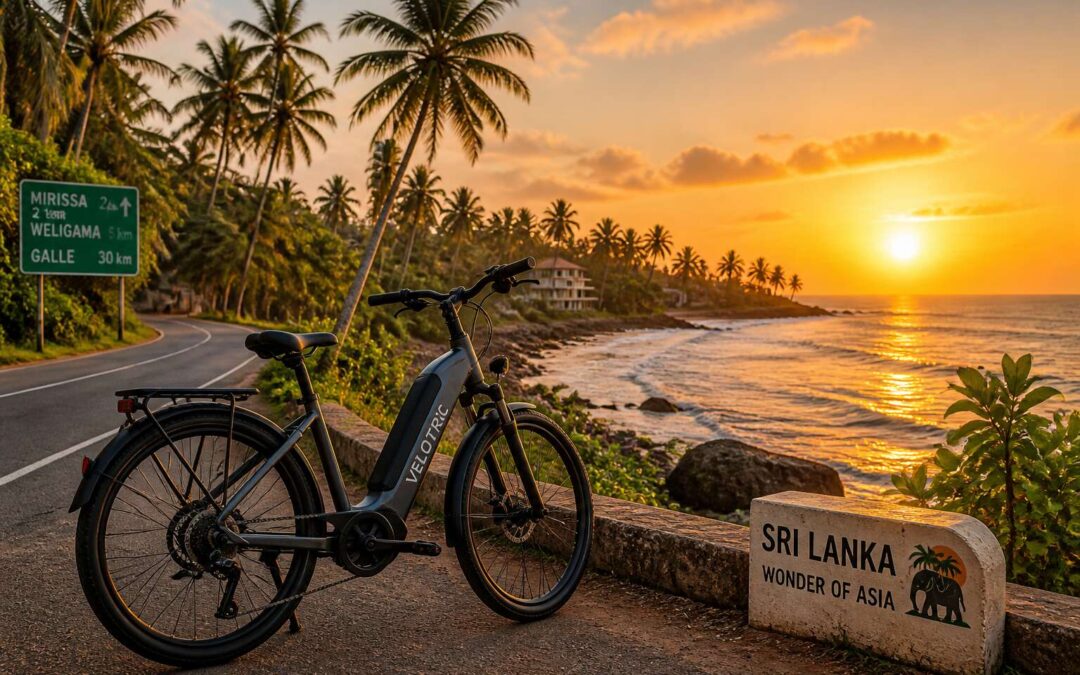
Why E-Bikes Are Gaining Traction in Sri Lanka
Colombo’s traffic grinds to a halt at rush hour, and the cost of petrol keeps climbing. This is pushing commuters to search for better alternatives. An electric bicycle in sri lanka is becoming a smart answer, not just for dodging gridlock but for cutting daily expenses. The shift is economic reality, not just a trend.
Riders are discovering that these machines offer freedom from fuel price spikes. Maintenance is straightforward, and charging costs a fraction of a full tank. It makes sense for a household budget.
– Lower running costs compared to petrol vehicles
– No need for a driving license or registration
– Quiet, clean operation perfect for urban streets
Of course, the terrain varies, and not every model suits every route. Yet, the growing network of charging points in cities is making ownership practical. Within a few years, an electric bicycle in sri lanka could be as common as a motorcycle, transforming how people move through daily life.
Evaluating the Local Terrain and Riding Conditions
Most of Sri Lanka’s roads are narrow, twisting, and unpaved. This means an electric bicycle in Sri Lanka must handle gravel, mud, and sudden elevation changes. The central highlands rise to 2,500 meters, while the coastal belt stays flat and humid.
I have pedaled through tea country where gradients exceed 12% for kilometers. The terrain demands a mid-drive motor with torque sensing. A hub motor will struggle on loose ascents.
- Wet zone clay becomes slick after monsoon rain.
- Dry zone sand consumes battery range.
- Urban streets have potholes and stray dogs.
Riding conditions vary with the seasons. The southwest monsoon brings daily downpours, so brake pads wear quickly. A battery with IP65 waterproofing becomes essential.
Key Factors to Compare Before Making a Purchase
Navigating the bustling streets of Colombo or the winding roads of Kandy presents a unique challenge for commuters. Choosing the right electric bicycle in sri lanka requires more than a glance at a price tag. You are essentially selecting a companion for unpredictable weather and varied road conditions. The terrain might be flat one moment, then steeply inclined the next, so your decision hinges on practical performance.
The heart of the matter lies in the powertrain and battery endurance. A robust motor is essential for hill climbs, while a higher capacity battery ensures you are not stranded mid-journey. Beyond the technical, consider the after-sales support network, which can be a deciding factor in a developing market. Compare these fundamental specs before you commit:
– Motor placement, either hub or mid-drive, affects handling and torque.
– Battery range and charging time, crucial for daily commutes.
– Tyre quality, which must handle both gravel and tarmac.
– Braking systems for sudden stops.
The humidity and heat here accelerate wear on electrical components. Therefore, look for models with superior water resistance ratings and corrosion-resistant frames. Serviceable parts are another secret to a long-lasting relationship with your ride. A machine that sits waiting for spare parts is a poor investment, no matter its initial appeal. The true value is found in reliability and the quiet confidence that comes from a well-chosen machine that suits your personal topography.
Cost, Import Duties, and Pricing Considerations
An electric bicycle in Sri Lanka often starts with a reasonable retail price, but import duties transform it into a premium purchase. For South African buyers, understanding these costs is essential.
Import duties on an electric bicycle in Sri Lanka can reach 45% of the CIF value, followed by a 15% VAT and various cess charges. This stacked burden easily pushes the landed price beyond 60% of the original cost.
Here is what you will pay for:
– The bicycle itself
– Freight and insurance
– Customs clearance fees
Pricing considerations also matter. A modest e-bike that seems cheap abroad becomes a mid-range investment once converted to rands. I always advise clients to budget an extra 30% above the sticker price. That cushion covers the unpredictable and keeps your wallet civil!
Rules, Safety, and Maintenance for E-Bike Owners
For a South African rider, the electric bicycle in sri lanka presents a peculiar challenge. Tropical humidity accelerates rust, and chaotic traffic demands a reactive mind. I have seen riders fail because they ignored the simplest rule: always wear a helmet, even for a two minute errand!
Safety is a daily decision. You must signal every turn, respect pedestrian crossings, and never ride after dark without lights. Maintenance follows the same logic. A clean drivetrain prevents sudden failures during a heavy downpour.
- Check the battery contacts for corrosion weekly.
- Inflate tires to the exact psi recommended.
- Tighten brake cables before every long trip.
These tasks are tedious, but they require the same patience needed to navigate Sri Lanka’s streets. The electric bicycle in sri lanka rewards those who treat ownership as a routine of care.