
Understanding Modern E-Bikes
What Is an Electric Bicycle?
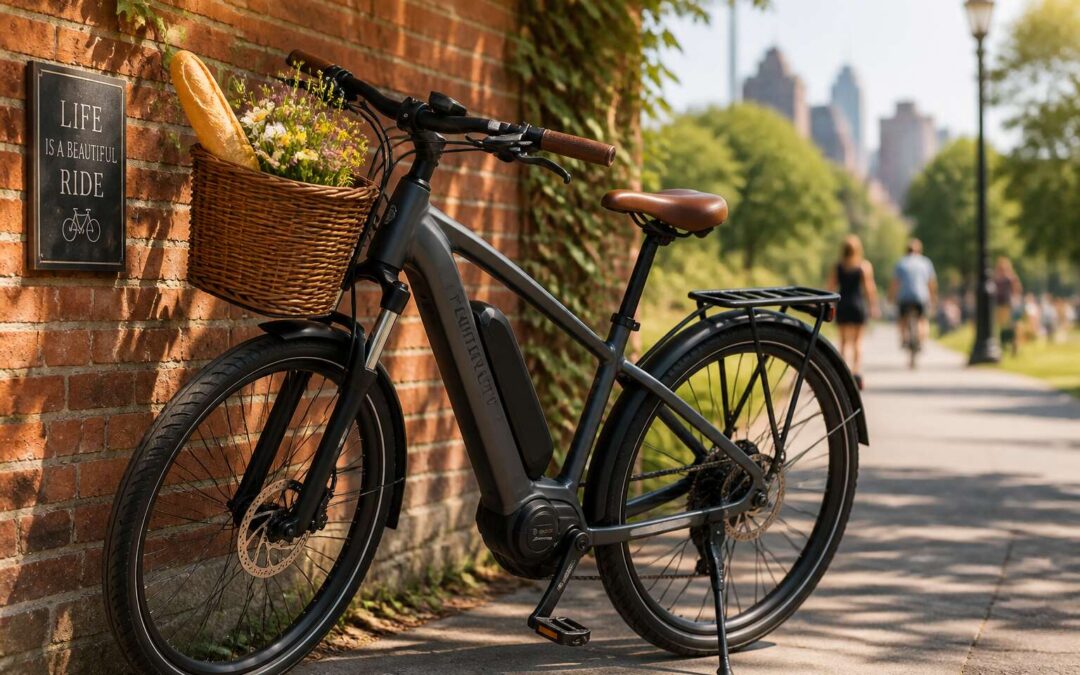
A silent revolution hums through the streets of Cape Town and Johannesburg, a quiet whirr that signals a shift in how we perceive urban mobility. When we strip away the marketing gloss, an electric bicycle or bike is fundamentally a standard push-cycle augmented with a battery, a motor, and a controller. The magic lies in the integration; the frame, the brakes, and the wheels are engineered to handle the added torque and weight, transforming the classic two-wheeler into a vehicle with a new range of possibilities. It is a mechanical companion that offers a helping hand when the gradient steepens or the headwind strengthens.
The true genius of the modern iteration is the pedal-assist system. Unlike a throttle-driven scooter, the motor engages only when you push the pedals, creating a symbiotic relationship between human effort and electric power. The result is a ride that feels like you have superhuman legs rather than a motorized crutch. Here is how we can categorize what often confuses new riders:
– Pedal-assist (Pedelec): The motor augments your pedaling, typically up to 25 km/h in South Africa.
– Throttle-controlled: A twist grip or thumb lever provides power without pedaling, similar to a moped.
– Speed pedelecs: These offer higher assistance speeds and often require a license and helmet.
This nuanced engineering means you are not simply riding a motorbike with pedals attached. You are engaging in a dance of physics and electronics, where the sensor detects your cadence and the battery delivers a precise response. This transcends the old dichotomy of car versus bicycle, offering a middle path that values both speed and sweat. The soul of the machine is still human, yet its heart is a lithium-ion cell, a fact that fundamentally alters the relationship we have with our daily commute and our environment.
How E-Bike Motors Work
The conversation about electric bicycles often stalls at the question of range, but the real distinction lies in the engine room. There are two primary philosophies in motor placement, and they deliver dramatically different riding experiences. The first, a hub motor, sits inside the rear wheel. It is a single, self-contained unit that quietly pushes you forward. The second, a mid-drive motor, is positioned at the crank, the very heart of the machine.
A mid-drive system works with your gears. It allows the motor to operate in its most efficient rev range, whether you are crawling up a steep incline or cruising on a flat road. This synergy is why many South African commuters, faced with the slopes of the Cape Peninsula, choose this configuration. It simply uses the bike’s physics to its advantage. The sensation is less like being pulled and more like the terrain itself has flattened out.
Hub motors, conversely, offer a direct and simpler power delivery. They are often the choice for city bikes where the topography is forgiving. There is a distinct mechanical purity to them; you switch on, you twist, and you go. Consider these differences when you test ride:
– Cadence sensors detect pedal rotation, offering a binary response: power on or off.
– Torque sensors measure your actual pedaling force, providing a proportional and refined assist.
– The weight distribution changes dramatically, affecting how the electric bicycle or bike feels when you lift it onto a rack.
Ultimately, the electronics dictate the manners of the ride. A well-tuned system feels intuitive, almost telepathic. A clunky one lurches and hesitates. When you shop, pay less attention to the wattage and more to the refinement of the power delivery. Your daily commute will thank you for it.
Classes of E-Bikes Explained
The law draws a sharp line through the world of the electric bicycle or bike, splitting it into three distinct classes. The separation hinges on what happens when you stop pedalling. Class 1 provides assist only while you pedal, a force that fades when you rest. Class 2 adds a throttle, allowing movement without effort. Class 3 raises the speed ceiling, suited for long commutes on open roads.
Consider the practical distinctions:
- Class 1 suits riders who want a natural pedalling feel.
- Class 2 offers relief on steep Cape Town climbs.
- Class 3 demands attention on faster arterial routes.
Each class carries its own legal obligations. The choice determines how the electric bicycle or bike behaves on a Karoo highway or a Stellenbosch lane. Know the class before you ride, or learn the difference at the roadside.
Key Benefits of Choosing an Electric Bike
Commuting Without the Sweat
The morning commute often carries a hidden cost: the thermal penalty of arriving drenched. For many South Africans, the choice between a healthy ride and a presentable appearance feels like a zero sum game. An electric bicycle or bike dissolves this dilemma entirely. You retain the autonomy of two wheels while the motor absorbs the brutal gradients and headwinds that would otherwise leave you exhausted. The result is a controlled heart rate and a dry shirt, even when you push the pace.
This changes the calculus of daily travel. You gain the ability to arrive with clear focus, ready for the day’s first meeting. The electric bicycle or bike also neutralises the excuse of distance, making longer routes feel like a gentle glide. Consider what this unlocks:
– No more relying on packed minibus taxis or unpredictable ride hailing services.
– A consistent travel time, regardless of your physical energy that morning.
– The freedom to run errands without planning a shower afterwards.
The psychological shift is just as significant. You stop viewing the journey as a chore and start seeing it as a seamless extension of your day. That sense of control, of gliding past traffic while staying cool, is a quiet form of freedom. It turns a daily obligation into a moment of genuine pleasure, all without the sweat.
Health and Fitness Advantages
Regular physical activity remains a pillar of long term health, yet many South Africans struggle to fit it into a demanding week. An electric bicycle or bike changes that equation by lowering the barrier to entry. You still pedal, which means your heart and lungs engage, but the motor moderates the load. This allows you to sustain a meaningful workout without crossing into breathless exhaustion.
The health advantages extend beyond the obvious. Easing into a ride encourages more frequent outings, and consistency matters more than intensity. Over time, riders often notice improved joint mobility and steadier resting heart rates. The low impact nature of cycling protects knees and hips, making it a suitable option for those recovering from injury.
– Strengthens the cardiovascular system without overtaxing it
– Helps manage weight through steady, habitual movement
– Reduces stress by placing you in fresh air and natural light
What stands out is the mental clarity that follows a gentle ride. The effort feels voluntary, not punishing. That single shift turns exercise from a disciplined chore into a rewarding ritual, one that quietly builds resilience across both body and mind. For those balancing work, family and personal health, an electric bicycle or bike offers a sustainable path that ordinary cycling often cannot match.
Environmental Impact of E-Bikes
Every litre of petroleum that burns in a South African sedan disgorges about 2.3 kilograms of carbon dioxide. An electric bicycle or bike turns the same grid kilowatt into kilometres without repeating that chemical crime. Where a petrol moped spits heat and noise into the late afternoon air, the e-bike spins silently, drawing its energy from a coaxial socket rather than a refinery.
The environmental impact thrives in these smaller, core details:
- Zero hydrocarbon emissions escape from a trailing exhaust.
- Brake particles are measured in grams, not the heavy stale of a diesel.
- Oil waste and filter replacements vanish entirely.
As daytime solar arrays on Johannesburg roofs charge these batteries, that vessel becomes a portable dark filament of sunlight. The whole cycle is shortened. The riders stick their wheels into the eastern suburbs, and the only ash left is from the mountain wind.
How to Select the Right E-Bike for Your Needs
Battery Range and Charging Time
Range anxiety hits differently when your route includes a steep climb. Battery specs look clean on paper, but real conditions rewrite the numbers. For South African riders, heat, hills, and stop start traffic drain batteries faster than lab tests suggest.
Measure your daily commute and multiply by 1.5 for headwinds and detours. A route over 30 kilometers calls for a 500 Wh battery or larger. Standard chargers take 4 to 6 hours to fill a depleted pack. Fast chargers reduce that to 2 hours but stress the cells. An electric bicycle or bike has range that depends on pedal assist level, rider weight, and tyre pressure. Consider these points before buying:
- Total range per charge at assist level 2
- Charging time from empty to full
- Battery mounting and lock security
- Local availability of replacement batteries
Check whether the battery is removable, especially if you deal with load shedding.
Motor Types and Placement
South African roads expose the wrong motor placement. A hub motor pushes from the rear wheel, which feels stable on flat tar, but loses traction on loose gravel. A mid-drive motor sits at the bottom bracket, keeping weight low and centred. That matters when you climb Kloof Nek or dodge potholes in Soweto.
For your electric bicycle or bike, think about where you ride. Commuters on smooth city streets might prefer the simplicity of a geared hub. Leisure riders tackling trails need the torque of a mid-drive.
- Hub motor: cheaper, quieter, but struggles on steep inclines
- Mid-drive: balanced, efficient, better for hill climbs
Test both types. Your legs will tell you which one matches the terrain.
Frame and Tire Considerations
Your body knows what it wants from a ride, but the machine must meet you halfway. Frame geometry dictates posture and control. Step through frames ease mounting on Johannesburg’s potholed streets, while diamond frames add rigidity for loose gravel. Tire selection matters equally. Slick tires roll fast on asphalt, but 40mm knobby tires handle sandy shoulders.
Ask where the tire contacts the ground. Cape singletrack punishes thin tires. I prefer tubeless setups for self sealing and lower pressure!
- Rigid frame: simple, cheap, ideal for city commutes
- Hardtail: front suspension balances weight and comfort
- Full suspension: heavy, essential for rocky trails
Your electric bicycle or bike must fit your frame. Test standover height and reach before switching on the motor. A poor fit taxes your back and numbs your hands.
Budget and Brand Reputation
Budget and brand reputation determine whether an electric bicycle or bike becomes a reliable daily choice or a costly mistake. I have watched buyers chase low prices, only to face imported spare parts that take months to arrive. Conversely, paying for a storied name does not guarantee local support.
When I evaluate a brand, I check three things:
- warranty duration and claim conditions
- availability of batteries and motors in South African shops
- reviews from owners who ride similar terrain
A solid warranty protects your investment, but a brand with a local service network protects your sanity. The cheapest version often hides costly problems. Spend time researching dealer reputation before you commit.
Maintenance and Safety Tips for Electric Bicycles
Battery Care and Longevity
The lithium-ion battery accounts for roughly a third of an electric bicycle’s total value, yet most riders unknowingly degrade that investment within months. Heat exposure, deep discharges, and prolonged storage at full charge accelerate chemical ageing. These factors are invisible, so damage often goes unnoticed until range drops sharply.
Safety demands respect for the charging environment. Leaving a battery on a flammable surface overnight introduces risks no helmet can offset. Periodic inspection of connectors and casing for cracks or corrosion prevents failures that occur mid-ride.
Consider how these habits shape battery health:
- Storing the battery in a cool, dry place
- Avoiding rides that drain the cell completely
- Keeping charge levels between 20% and 80%
Each decision compounds over hundreds of cycles. A replacement battery for a quality electric bike can cost a significant portion of the original purchase price, so preservation becomes a matter of both safety and financial sense.
Brake and Tire Maintenance
Brakes on an electric bicycle or bike face forces that pedal-only bicycles never encounter. Regenerative braking, added weight, and higher speeds wear pads quickly. Check them monthly for thinness. Rotors can warp from heat, so watch for pulsing at the lever. Tire pressure is another critical point. Underinflated tires reduce stability and drain range. Overinflated tires turn every bump into a jolt.
- Brake lever resistance at the point of engagement
- Wheel spin without any rubbing sound
- Tread condition for cuts or embedded glass
- Sidewall integrity for bulges or cracks
A quick walk around the bike covers these inspection points in seconds. Neglecting them often leads to a sudden loss of traction. For a machine moving at 25 km/h or faster, a compromised brake or tire is not a minor annoyance, it is a hazard that no helmet can fully mitigate.
Essential Safety Gear for E-Bike Riders
Riding an electric bicycle or bike changes the demands of personal safety. The motor’s torque gets you to 25 km/h quickly, and the silence of the drivetrain means pedestrians and motorists often fail to register your presence. A standard foam helmet meets legal minimums, but it does little against the rotational forces of a heavier machine. Gloves with padded palms protect against vibration-induced numbness and prevent skin loss during a slide. I have seen the consequences. In South Africa, where potholes and gravel shoulders are common, eye protection is not optional. Dust and flying pebbles can blind you mid-corner. High-visibility gear, especially a reflective vest or ankle bands, compensates for the quiet approach of the motor. The list below covers the non-negotiables:
- CE-certified helmet with MIPS
- Full-finger gloves with reinforced palms
- Polycarbonate eyewear or shatterproof sunglasses
- Reflective vest or backpack cover
Each item addresses a specific failure mode: impact, grip, debris, and perception. Together, they form a system that matches the performance of the electric bicycle or bike.
E-Bike Regulations and Where to Ride
Understanding Local E-Bike Laws
The law does not care whether you call it a convenience or a toy. In South Africa, an electric bicycle or bike that reaches 45 km/h without your legs becomes a motor vehicle. That classification means a licence plate, registration, and a helmet are non-negotiable. Where you ride complicates things further. Municipalities in Cape Town, Johannesburg, and Durban each enforce separate restrictions, often targeting paths and pavements you might assume are open to you.
Take a few common local rules:
- Pavement riding is banned in most central business districts.
- Shared bike lanes usually cap your speed at 20 km/h.
- Nature reserves often require a permit for any electric assistance.
Checking your municipal bylaws before you buy saves future fines and frustration. Know your local rules, and your ride stays pleasant.
Trail Access and Road Rules
South Africa’s trail network is a convoluted mix of permissions. An electric bicycle or bike that breezes along a gravel road might get a stern warning from a ranger at the next gate. Access rules often hinge on how your wheels are labelled, not whether you are pedalling. Many single-tracks in the Western Cape remain closed to motor assistance, while some KZN reserves permit e-bikes on fire roads only. City parks, confusingly, have their own classifications. Here is a sampling of what to expect:
- Pedal-assist models on a 20 km/h limit in municipal green belts.
- No electric assistance whatsoever on recognised hiking trails.
- Full e-motorcycles banned from almost every trail network.
Road rules are slightly less chaotic, though a throttle-equipped electric bicycle or bike must still obey robots and yield to pedestrians. Keeping left, signalling properly, and watching for minibus taxis that ignore lane markings are all part of the experience.
Storing and Locking Your E-Bike Securely
The parking bay, not the road, is where most electric bicycle owners lose their machines. Locking up in South Africa demands more than a cable through the frame. A parked electric bike attracts a trained eye, and the motor and battery are the targets. The security routine starts before the ride, not after it.
Regulations rarely address storage. Municipal by-laws tell you where to ride, but the parking spot falls to your judgement. Choose spots with natural surveillance. A pavement outside a coffee shop is safer than a quiet alley.
- Security patrols within sight of bicycle racks
- Paid parking lots with attendants
- Office blocks with basement bicycle storage
Remove the battery from your electric bicycle and carry it inside. This habit protects the machine and its most expensive component. The frame locked to a fixed object with a U-lock, the battery in your bag, your presence nearby. That combination keeps an e-bike safe in any South African town.
Joining the E-Bike Community
In South Africa, the electric bicycle or bike falls into a legal class under the National Road Traffic Act. The 250 watt pedal-assist electric bicycle is a bicycle, and no rider needs a licence for it. Fit a throttle or a motor above that rating, and the machine enters the motorcycle category. That switch demands registration, third party insurance, and a driver’s licence after you document the ride. Municipal by-laws rewrite the map in each province. Cape Town keeps some cycle routes fully open, while Johannesburg preserves footpaths for walking only.
The best field guide comes from the electric bicycle or bike community, not from a pamphlet. Members who ride the same intersections know the smaller decisions that clear the doubt:
- the inner city shortcut where the cycle lane actually begins;
- the park gate that accepts an electric bicycle without a permit;
- the evening charge point with a full power outlet.
Listening to those riders turns a written rule into a practical network.